
AGING IS A CHOICE Part 24 – Staying Youthful Through Hydration
By Robert Manni
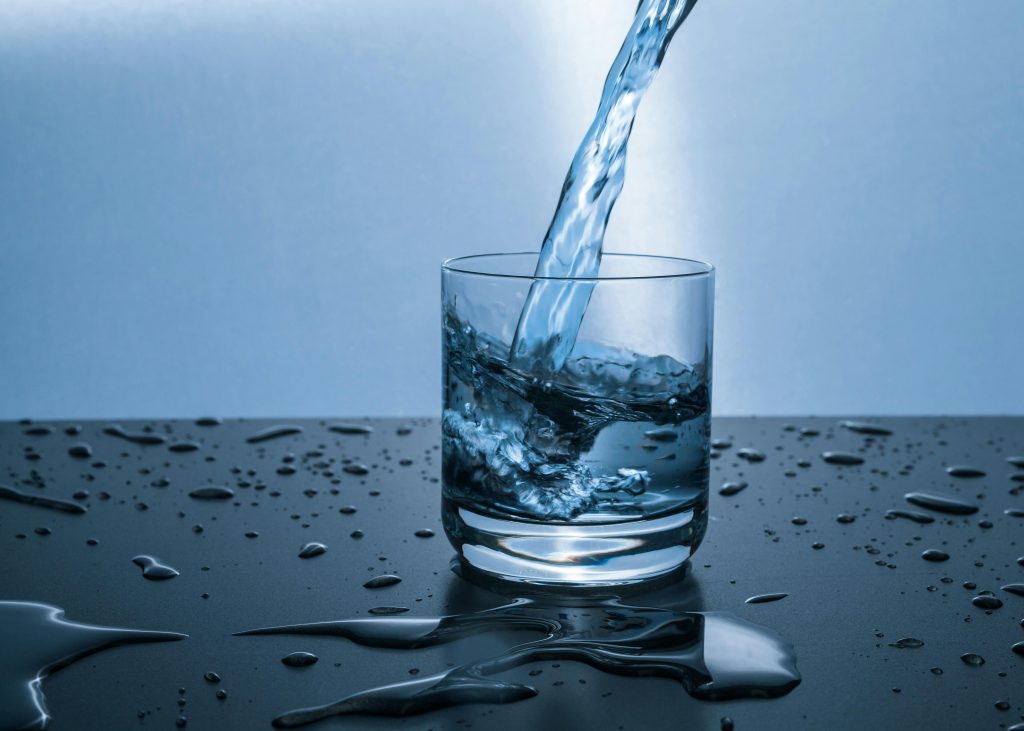
I want to share an anecdote. Once at a party, I asked a doctor “What’s aging?” After a pause, she replied, “Dehydration”. I laughed at the off the cuff response, but looking back now I see the truth behind it. When we’re born, our bodies are around 75% water. By the time we’re 60, we’re down to 50% according to the National Institute of Health. Dehydration is an issue. Let’s discuss.
According to numerous studies, over 75% of Americans are chronically dehydrated. It is common among adults, but becomes exacerbated in older adults, especially women. It has been linked to accelerated aging and chronic diseases. And the wrinkles, dry skin, and muscular entropy that come with age? Well, dehydration makes them all worse.
Unfortunately, most people ignore the signs of dehydration—feeling thirsty, dizziness, peeing less, constipation, sunken eyes, dry mouth and lips. That’s the bad news.
The good news is dehydration is easily addressed. There are myriad ways of replenishing our body’s H20, and it only takes 2-3 days to fully rehydrate. But it’s up to you.
Here are five things for you to consider for proper hydration.
Water, water, and more water
Drinking water is the fastest, cheapest, and most effective method of hydration. Ask yourself how much water you consume each day. It’s well known that 8-10 glasses of water a day is recommended. Unless you carry and refill a water bottle throughout the day, you’re probably not reaching this goal of 8 glasses of only water (Coffee, soda, and juices don’t count). So, consider taking a water bottle with you and keeping a count of how much you drink throughout the day.
Types of water
Regardless of how much water you drink, the type(s) of water you consume and when you drink it can make a difference. More good news. There are many choices of water to help you hydrate. As for timing, its best to drink water throughout the day starting when you wake up. Here are a few of my favorite kinds of water:
Alkaline water
This type of water has a pH higher than 7. A pH below 7 is considered acidic. When your body is too acidic, over time it can lead to ulcers, chest pain, and even cancers. The only time drinking alkaline water is not recommended is with a meal because our digestive systems need acid to break down food. Alkaline water is relatively easy to purchase and can be found in most supermarkets.
Purified water
Depending on where you live, drinking tap water may be questionable due to left over contaminants from old pipes and water processing plants. Many different home water purification units and systems are available at various price points to help remove those problematic contaminants from your water. If it’s within your budget, I highly recommend adding a water purifier for your home.
Coconut water
This is the clear liquid found inside young coconuts. Coconut water is a good source of electrolytes, including potassium, sodium, and magnesium. It’s great for replenishing fluids lost from exercise, perspiration, and illness. And it tastes good. It does contain natural sugar, so keep this in mind if you’re watching your sugar intake.
Lemon water
You can make lemon water by squeezing a fresh lemon in a glass of water. I drink it every morning on an empty stomach. Benefits include hydration, vitamin C, and aiding your digestion. And in case you are wondering, even though lemon juice is acidic, lemon water becomes alkaline in the body by how it is metabolized.
There are many other water options to choose from. The aisles are full of them. However, even though vodka means water in Russian, it is not recommended for hydration. In fact, alcohol dehydrates the body, as does drinking large amounts of coffee. For the purpose of addressing dehydration, it’s best to focus on the clear solution. That means more water.
Hydrating is easy, but like anything else, you must do the work to reap the rewards. You can do it. After all, how we age is a choice.